How We Operate
We run conservative, experience-driven trips. Decisions are based on conditions, not schedule.
Remote Alaska rewards good judgment and punishes complacency. Your guides are reading water, weather, and wildlife conditions constantly and adjusting how the day unfolds.
If something comes up, your guides have handled it before.
Before launch, every guest receives a clear safety briefing covering river protocol, PFD use, wildlife awareness, camp procedures, and what to do in an emergency. You go on the water knowing what to expect and what is expected of you.
What’s Included for Your Safety
Every trip carries expedition-quality safety gear. There is no staff a radio call away — everything you need is on the raft.
Standard Safety Gear on Every Trip
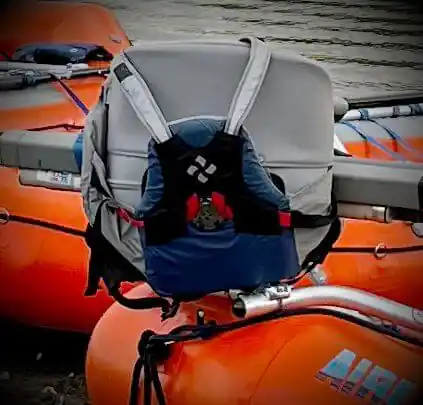
- Personal Flotation Devices (PFDs): Provided for every guest. Required for participation on the water.
- Satellite Communication (Garmin inReach or similar): Allows emergency contact from anywhere on the float. Response times depend on weather and location.
- Wilderness First Aid Kit: Comprehensive kit on every trip. Guides are CPR and first aid certified.
- Bear Deterrent Equipment: Carried and managed by guides. Guests do not need to bring personal bear spray.
- Expedition-Grade Rafts and Gear: Purpose-built for Alaskan river conditions. Inspected and maintained before every season.
- Throw Bags: Rescue throw bags on all rafts for swift-water situations.
Bear safety is managed by your guides with appropriate equipment. Personal canisters create handling complications on floatplanes. Leave yours at home. See the packing page for the full list.
Bear Country
You will likely see bears. This is normal for these rivers. Your guides are experienced in managing encounters and will set clear expectations for behavior in camp and on the water.
Brown bears in Southwest Alaska are accustomed to salmon rivers. While bear encounters are generally manageable with proper protocols, they are unpredictable. Camp layout, food storage, and daily routines are all structured to minimize attractants and risk. Your guides will walk you through camp protocols on the first evening.
What to Expect in Bear Country
- You will see bears. Fishing the same rivers, walking the same banks. This is part of what makes these rivers exceptional.
- Follow guide direction immediately. Guides are trained in bear behavior and risk assessment. When they tell you what to do, do it without delay.
- Camp is structured for safety. Food, cooking gear, and scented items are stored and managed specifically to reduce bear attractants.
- Do not approach or feed bears. These are wild animals in genuine wilderness. Observe from distances your guides identify as appropriate.
- Make noise in brush. Surprising a bear is a far larger risk than encountering one that knows you are coming.
Medical & Evacuation
There is no immediate medical care in the field. Evacuations can be delayed and expensive.
There is no immediate medical care in the field. Evacuation from remote areas may be delayed by weather, location, or aircraft availability.
If evacuation is required, all costs associated with that evacuation are the responsibility of the guest.
Travel insurance that includes trip cancellation coverage is required for all trips.
Medical evacuation coverage is optional but strongly recommended, as evacuation from remote Alaska can be expensive. Many guests choose to carry this coverage for peace of mind.
We recommend Global Rescue for emergency evacuation coverage and IMG Signature Travel Insurance for trip cancellation and interruption. See our Travel Insurance page for details and enrollment links.
Your Role
Good trips are a team effort. Safety on a remote wilderness trip is a shared responsibility.
-
1Follow Guide Instruction
When guides tell you not to wade a stretch, leave the water, or adjust your behavior — do it. They are reading conditions you may not be able to read yet.
-
2Wear Safety Gear When Required
PFDs are provided and required on the water. Alaska rivers are cold — cold water incapacitates swimmers far faster than most people expect. No exceptions.
-
3Be Honest About Medical Conditions
Before your trip, tell your guides about any medical conditions, physical limitations, or medications. This information is used only to help guides prepare for your safety in the field — especially important in a remote setting where evacuation takes time.
-
4Bring Necessary Medications
Pack all medications in adequate supply for the full duration of the trip, plus extra. There is no pharmacy access once you are in the field.
-
5Arrive in Reasonable Physical Condition
Trips involve wading in current, walking uneven riverbanks, and camp routines. You do not need to be an athlete. If you have concerns about the physical demands, discuss them with Paul before you book.
-
6Pack for Cold, Wet Weather
Alaska weather changes fast. Coming to the river in cotton or without adequate rain gear is a safety issue, not just a comfort one. The packing page covers what you need.
Acknowledgment of Risk
Wilderness travel includes risks such as river hazards, cold water, wildlife encounters, extreme weather, and delayed emergency response. Alaska Rainbow Adventures does not guarantee safety. All outdoor and wilderness activities involve inherent risks that cannot be fully eliminated. By joining a trip, guests acknowledge and accept these risks.
Have questions about safety or whether this trip is right for you? Most guests have never done a trip like this before — that’s normal. Contact Paul directly and you’ll get a direct, honest answer on whether it’s the right fit.