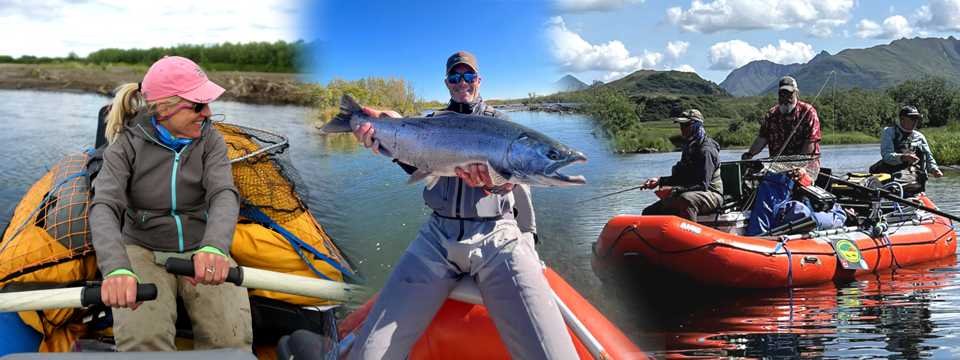
You’re planning an Alaska wilderness float fishing trip and have narrowed it down to two of Southwest Alaska’s standout rivers: the Kanektok River and the Goodnews River.
Both offer wild Rainbow Trout, Pacific salmon, remote tent camps, and a true moving-river expedition. But they do not fish or travel quite the same way. The better choice comes down to the kind of experience you want, the species you most want to target, and when you plan to travel.
Why Choose the Kanektok River?
The Kanektok is the larger, longer journey. Our float covers roughly 97–100 miles from the upper river through changing terrain toward Quinhagak. It is a river for anglers who like variety — in water, scenery, fishing techniques, and species.
A Longer, More Immersive Wilderness Journey
The Kanektok feels like an expedition. Over the course of the float, the river changes from clear upper water into broader, more complex channels and lower-river habitat. You cover more country and see the character of the river change as the trip progresses.
If part of what draws you to Alaska is the journey itself — not simply fishing one productive area — the Kanektok is hard to beat.
Exceptional Species Variety
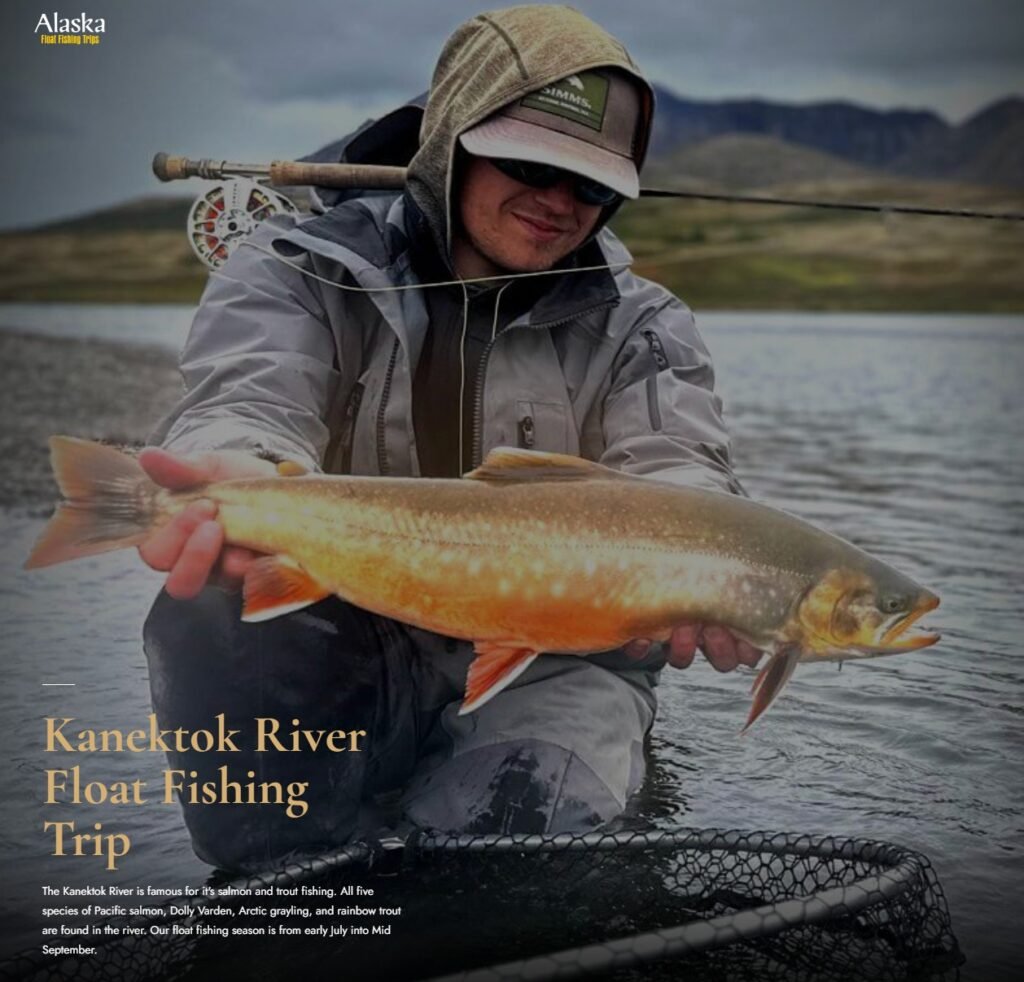
All five species of Pacific salmon migrate through the Kanektok: King, Sockeye, Chum, Pink, and Coho. The river also supports wild Rainbow Trout, Dolly Varden, Arctic Char, and Arctic Grayling.
The exact mix changes throughout the season, so timing matters. But for anglers who value variety and want multiple fishing opportunities during the same float, the Kanektok is one of our most versatile rivers.
Wild Rainbow Trout and Mouse Fishing
The Kanektok is especially well known for its wild Rainbow Trout. During the right summer conditions, fishing mouse patterns on the surface can produce some of the most exciting takes of the trip.
Mousing is never something we promise on demand — water, weather, fish behavior, and timing all matter — but anglers who specifically want the chance to fish topwater patterns for Alaska rainbows often gravitate toward the Kanektok.
Varied Water Types and Techniques for Every Angler
The Kanektok gives you a lot to work with: braids, side channels, seams, deeper runs, gravel bars, and changing main-river structure. Depending on the season and species, you may fish from the raft, wade productive water, swing or strip streamers, fish egg patterns, or work surface flies for trout.
Comfortable Floating and Fishing from the Raft
One of the Kanektok’s advantages is how much productive water can be fished while moving downstream. There are plenty of opportunities to get out and wade, but anglers who enjoy covering water and fishing effectively from the raft tend to appreciate this river.
The Kanektok is probably the better fit if you want:
- A longer and more expansive wilderness journey.
- Excellent species variety throughout the season.
- Wild Rainbow Trout and the possibility of topwater mouse fishing.
- A broad mix of water types and fishing techniques.
- A float where covering new water is a major part of the experience.
Explore the Kanektok River trip →
Why Choose the Goodnews River?
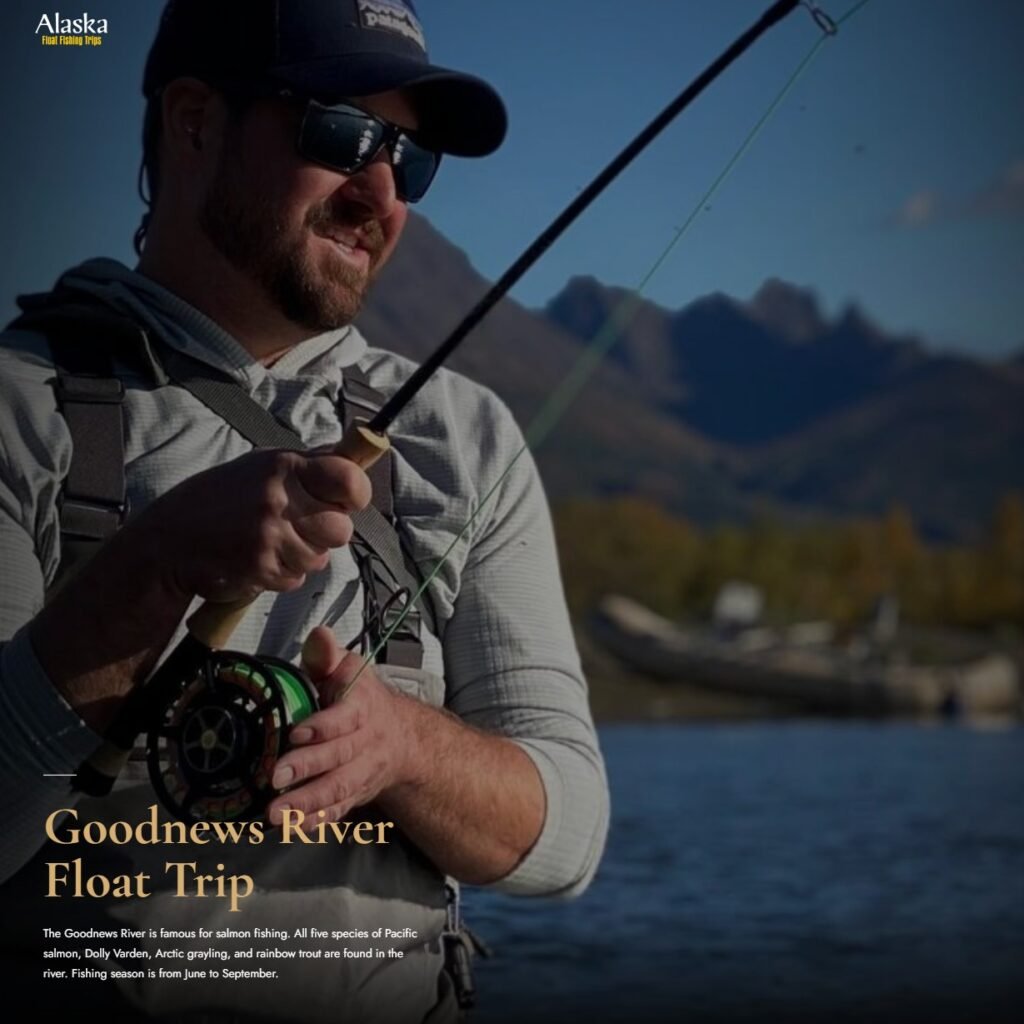
The Goodnews is a shorter system — roughly 65 miles on our float — which changes the rhythm of the trip. You do not need to cover as much distance each day, giving us more flexibility to slow down and spend additional time on productive water.
That makes the Goodnews particularly attractive to anglers who value a more intimate river, strong Coho fishing, wading opportunities, and a less hurried fishing pace.
More Fishing, Less Moving
Because the Goodnews covers fewer river miles than the Kanektok, the trip can devote more time to working productive runs, pools, braids, and side channels rather than continually moving downstream.
That does not automatically mean more fish — fishing is fishing, and conditions always matter — but it does give us more flexibility to stay with good water when it is producing.
A Standout Coho River
The Goodnews is one of our favorite rivers for Silver Salmon. As Coho build later in the summer, they provide aggressive takes, powerful runs, and exactly the kind of fishing many returning Alaska anglers come back for.
Wild Rainbow Trout, Dolly Varden, Arctic Char, Grayling, and other salmon species round out the fishery depending on the timing of your trip.
An Intimate River for Wading
The Goodnews lends itself well to getting out of the boat and working specific pieces of water. For anglers who enjoy wading, reading a run carefully, and making repeated presentations rather than simply covering miles, that can be a major advantage.
A Different Kind of Wilderness Float
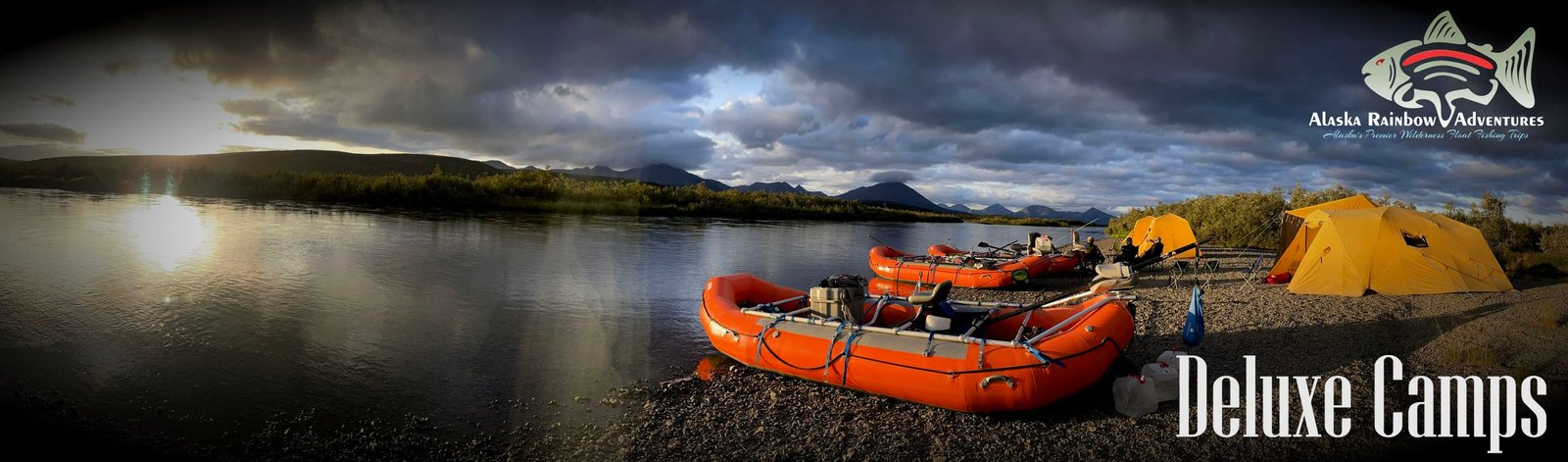
The Goodnews is still a genuine remote Alaska expedition. There are no roads following the river and no lodge waiting at the end of each fishing day. We move camp downstream and live on the river.
The difference is pace. Compared with the Kanektok, the shorter distance allows the fishing itself to dictate more of the daily schedule.
The Goodnews is probably the better fit if you want:
- A shorter river with more flexibility to spend time on productive water.
- Excellent Coho fishing during the right seasonal window.
- Strong opportunities for wild Rainbow Trout, Dolly Varden, Arctic Char, and Grayling.
- More emphasis on wading and thoroughly fishing individual runs.
- An intimate wilderness float with less pressure to cover river miles.
Explore the Goodnews River trip →
Kanektok vs. Goodnews at a Glance
| Kanektok River | Goodnews River | |
|---|---|---|
| Approximate float distance | 97–100 miles | About 65 miles |
| Overall feel | Bigger journey, more changing water | More intimate, slower-paced |
| Fishing style | Cover water; raft fishing plus wading | More opportunity to slow down and wade productive runs |
| Major draw | Variety, wild Rainbows, mouse fishing opportunities | Coho, intimate water, focused fishing |
| Salmon | All five Pacific salmon species | All five Pacific salmon species |
| Other species | Rainbow Trout, Dolly Varden, Arctic Char, Grayling | Rainbow Trout, Dolly Varden, Arctic Char, Grayling |
| Best choice for | Anglers who want variety and a longer expedition | Anglers who want a more concentrated fishing pace |
Neither river is simply “better.” They are different trips.
So Which River Should You Pick?
Choose the Kanektok if the scale of the journey matters to you. It covers more country, gives you more changing water, and offers tremendous variety in both fishing and scenery.
Choose the Goodnews if you want a more intimate river where we can spend more time working individual pieces of water and where Coho can become a major focus later in the season.
And if you are still undecided, that is exactly the kind of question worth asking before you book. Tell Paul what species matter most to you, whether you prefer wading or fishing from the raft, how much the wilderness journey itself matters, and what dates you are considering. He will tell you which river is the better fit rather than simply trying to sell you whichever trip happens to be open.
Why Fish Both?
Many returning Alaska anglers eventually discover that the Kanektok and Goodnews complement each other.
Fishing the Kanektok teaches you to cover a larger river and adapt continually as the water changes. Fishing the Goodnews lets you slow down and pick apart a smaller system. Different seasonal dates can also put completely different species and fishing styles at the center of the trip.
For someone who wants to understand Southwest Alaska float fishing rather than experience only one version of it, fishing both rivers over time makes a lot of sense.