On The Drift
Observations from floating Alaska's wild rivers
A field guide to wilderness float fishing in Southwest Alaska — for anglers who value the experience as much as the catch.
Observations from floating Alaska's wild rivers
A field guide to wilderness float fishing in Southwest Alaska — for anglers who value the experience as much as the catch.
Most Alaska fishing happens from lodges or day boats. You fish the same water as yesterday's group and tomorrow's group. The fish know the routine, and the experience is shaped by buildings, schedules, and crowds. A wilderness float trip is different.
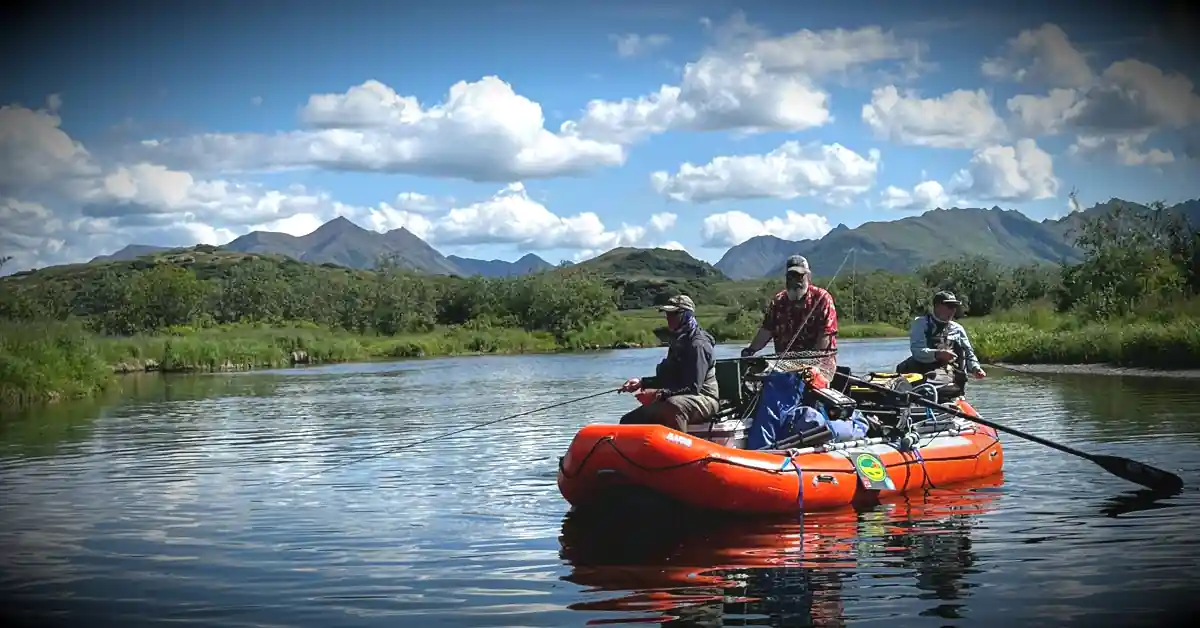
You move through 50–80 miles of river over a week, camping on gravel bars, fishing water that hasn't seen another angler in days or weeks. The river dictates the rhythm. The fish behave like wild fish. The landscape feels untouched — because, in most places, it is.
"I should have done this twenty years ago."
— What we hear from guests, constantlyFor more than 30 years, we've guided these trips on Southwest Alaska's most pristine, permit-limited rivers — places you can only reach by floatplane, where rainbow trout, Dolly Varden, and all five species of Pacific salmon thrive in water that still acts like water, not infrastructure.
River Profiles
Every river has a personality. The right choice depends on what you're chasing — and how you want to chase it.
You don't pick a river by name on a map. You pick an outcome. We recommend rivers based on your timing, experience, group size, and what matters most when you're standing knee-deep with a rod in your hand.
The quintessential Alaska float. Classic braided water, excellent wading, and consistent action from the moment you hit the first riffle. A full mix of Pacific salmon species moves through the system alongside rainbows, Dollies, and grayling. July is mouse fishing at its most explosive — trout slamming surface flies with the kind of reckless abandon you don't forget.
Mouse FishingMulti-SpeciesExcellent WadingPrime Time JulySmall. Clear. Intimate. The Arolik rewards anglers who want to slow down and fish with intention. Rainbows averaging 18–24 inches live in this river at density that would seem impossible until you're standing in it. Our Intimate Rivers program was built around this water — smallest groups, most remote access, fewest amenities, and the most honest Alaska fishing we offer. For 2027, Arolik trips are limited to two scheduled 10-day departures in August.
Intimate Rivers Program18–24" RainbowsTrue IsolationEven more remote than the Kanektok, with strong Coho runs and legitimate trophy rainbows, Dollies, and char. Rainbows in the 20–26 inch class are regularly possible, with larger fish in the system. Medium to big water with a wild character.
Trophy RainbowsCohoThe Alagnak's big, forgiving water suits mixed groups and less experienced waders, and private-group trips can be arranged by request, including early-season opportunities. The Togiak is a larger-volume wilderness river with limited scheduled departures focused on strong Coho fishing along with Rainbows, Dollies, and Char.
All Skill LevelsSalmon + TroutChinook (King) Salmon
Seasonal Guide
Alaska’s fishing season never really slows down — it just moves through four versions of excellent. The river shifts week by week, and knowing how to read those changes is what turns a good trip into a great one.
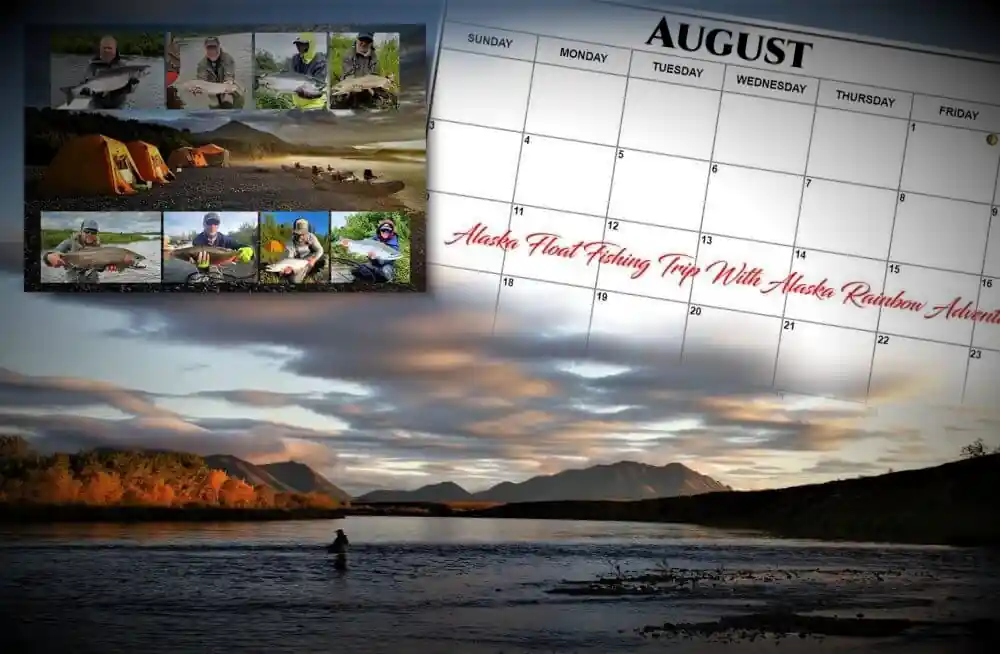
Select June float trips can be arranged for private groups by request. Early-season fishing can include active rainbows, grayling, and salmon opportunities, with long daylight and variable water and weather conditions. June is not part of our regular scheduled departure calendar.
Explosive surface takes. Peak rainbow activity. Sockeye runs. Warmest weather, very long days. Mouse fishing — dry flies skated on the surface, trout slamming them from below — is at its absolute peak. Our most popular month. Book 12–18 months ahead.
Coho arrive with attitude. Dolly Varden peak — big, colored-up fish on every gravel bar. Rainbows remain strong throughout. Chums and pinks present. Bugs diminish significantly. Weather stabilizes. Arguably the best all-around month for variety and numbers.
Dollies and large Char in full spawning colors — the most visually stunning fish you'll see. Rainbows feeding aggressively before winter shuts things down. Cooler temperatures, shorter days, tundra turning amber and red. Higher chance of weather delays. The most dramatic month on the river.
"There's no bad month. Alaska has four different versions of excellent — it's just a question of which version you want."
Daily Life on the Water
Wake with the light. Fish when the river tells you. Sleep to the sound of water. Repeat.
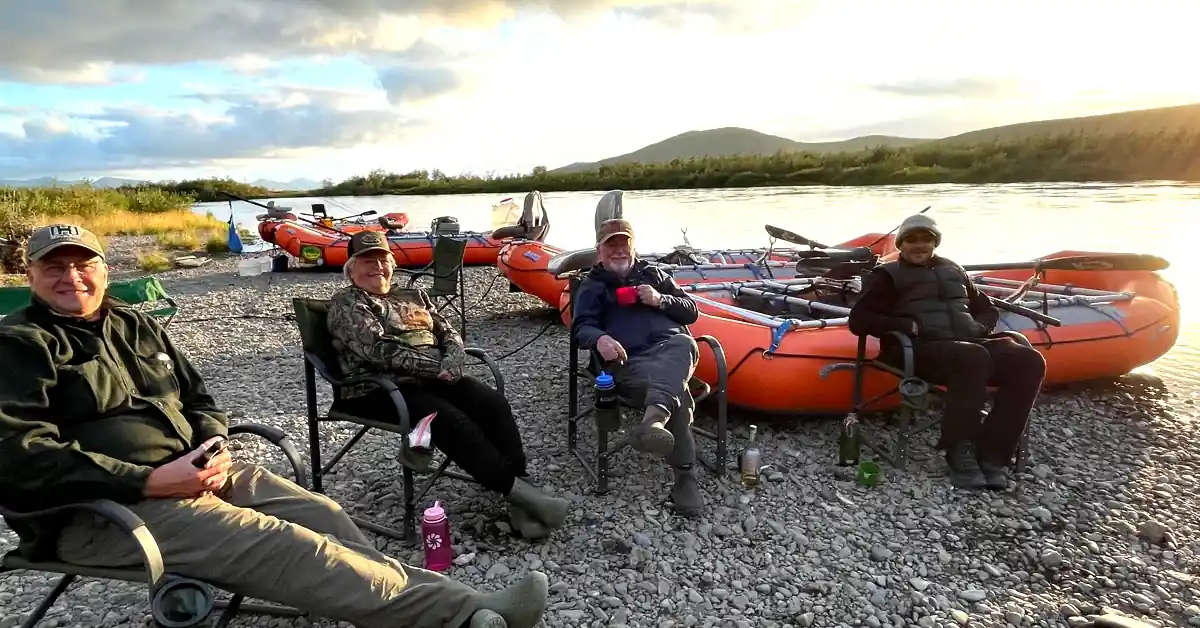
We typically start with breakfast around 7:00-7:30 AM, though this can flex based on the day's plan. Break camp and load the rafts by 9:30-10:00am.
More floating and fishing through the afternoon, working toward our next camp location.'Stoping to and fish productive runs, pool, and riffle. Shore lunch around noon. You keep going.
Arrive at the evening camp around 5:00–6:00 PM. Camp goes up. Dinner around 7:00 — steak, salmon, chicken, real food. After dinner, fish until you're tired. In July, that might mean 11 PM or later under the midnight sun.
Alaska weather is unpredictable in the way that only Alaska weather can be. Expect sun, rain, wind, and temperature swings — sometimes within the same afternoon. July averages 50–70°F.
You will see brown bears. This is not optional — it is part of the experience. Your guides are extensively trained in bear safety and carry appropriate deterrents. We have never had a serious bear incident.
Other wildlife encountered on most trips: bald eagles by the dozen, moose and calves along the banks, caribou on the tundra above, foxes investigating camp, wolverines at a distance, otters working the same runs you're fishing, and beaver dams on every side channel.
Many guests say the wildlife viewing rivals the fishing. They mean it as a compliment to both.
"The river doesn't wait. Neither do the fish. But neither should you."
Preparation & Kit
Everything fits into waterproof bags. There are no stores on the river. Pack smart or pack twice — and there's no twice.
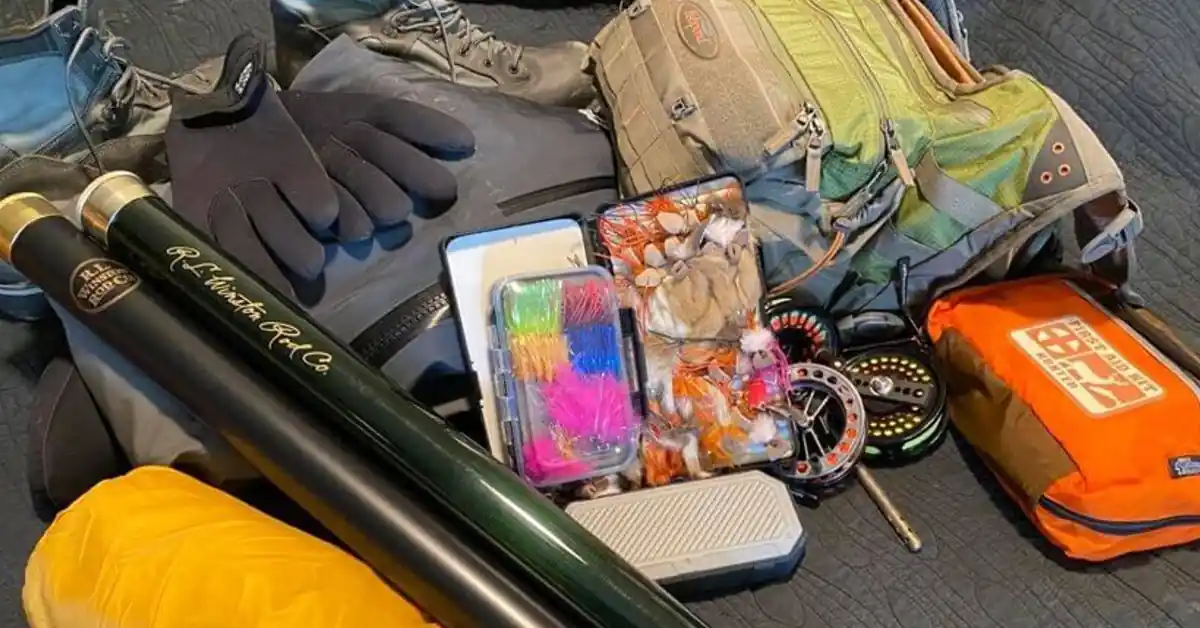
These trips are not ultra-marathons. They are also not passive vacations. You'll wade rivers with current, walk on uneven gravel bars, and spend 8–12 hours on your feet most days. If you can walk two miles on uneven terrain and stand for extended periods, you can do this. If stairs are a challenge, let's have an honest conversation before you book.
Investment & Booking
Floatplanes. Permits. Decades of experience. Remote logistics. Safety infrastructure. Everything flies in — and flies out.
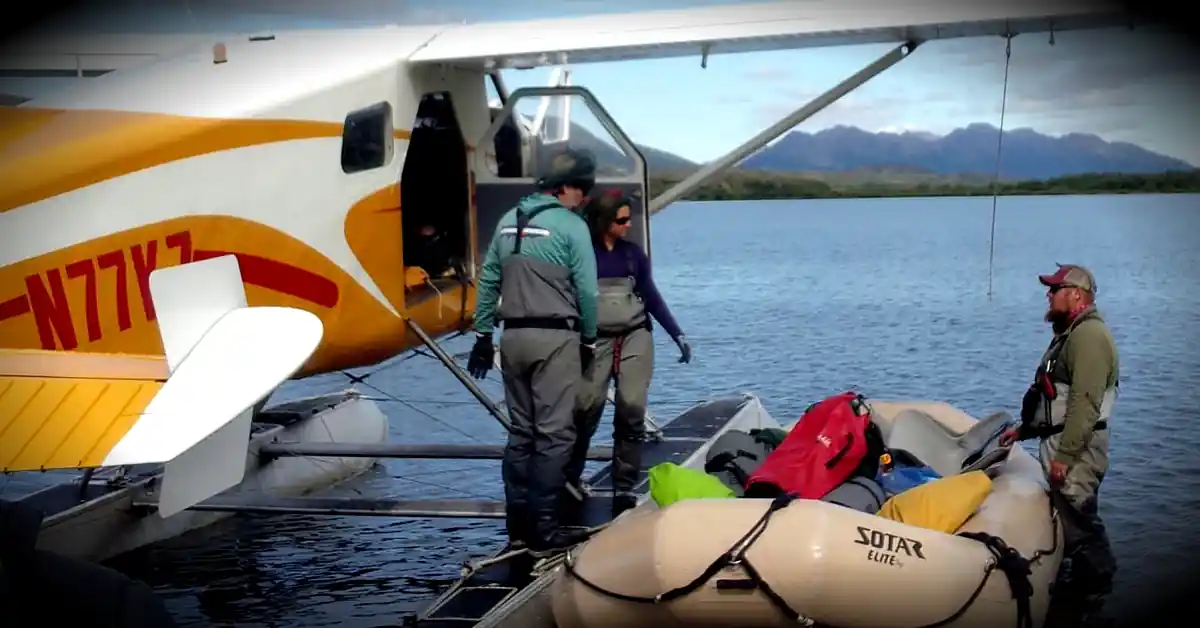
"This isn't a lodge with a driveway. Every piece of food, every pole, every tent, every person — flown in by floatplane. The price reflects the reality."
Alaska weather grounds floatplanes several times every season. Fog, wind, and rain can delay departure or pickup by hours — sometimes days. Most weather holds resolve within 24 to 48 hours. Some stretch longer. If you're not insured when that happens, you're absorbing all of it: extended lodging in a hub city, rebooking fees, lost deposits. Quality travel insurance — comprehensive, with trip interruption / cancellation coverage — is required for every booking, without exception. Medical and evacuation coverage are also strongly recommended.
How It Works
Prime dates fill 12 to 18 months out. Popular rivers fill even earlier. If you're reading this, the conversation should have started yesterday.
Visit akrainbow.com. Read current trip reports and review available dates at akrainbow.com/schedule.html. Get a feel for the rivers and programs.
We talk through your fishing goals, experience level, physical capabilities, preferred month, and group size — then we recommend the right river and program. This matters. Don't skip it.
Once dates are confirmed, we send a booking agreement. A 50% deposit secures your spot on the river.
In the months leading up to your trip, we provide current condition updates, specific gear notes, and fly recommendations for your exact river and timing. We're available for questions throughout.
Arrive in Alaska. Meet your guides. Float one of the world's most pristine, productive river systems. Understand why people say what they say when they come back.
Basic casting ability is helpful — you should be comfortable casting 30 to 40 feet. Guides provide instruction on the river, but a foundation makes your week more productive. Complete beginners can manage, but experienced anglers will catch more fish.
We teach proper technique and help you navigate safely. Every river has sections that are manageable for new waders, and your guide will be with you.
Yes. The wildlife, photography, and raw wilderness experience are reason enough for many guests. Non-anglers need to be comfortable with the physical demands of the trip regardless.
We accommodate what we can in remote Alaska. Advise us when booking and we'll work it out.
Guides carry satellite communication and comprehensive first-aid equipment. In a serious emergency, outside assistance and evacuation are coordinated as conditions and available resources allow. We've operated in this wilderness for more than 30 years, with established emergency procedures for remote river travel.
If you trust it, bring it. At minimum, bring your own waders and boots — fit matters enormously and we cannot guarantee sizing on the river. Wader fit is the single most important gear decision you'll make.
Don't Wait Until You're Too Old
If you're 55 now and want to fish Alaska before 65, you might have ten realistic chances. Weather cancels one. Work kills another. Life happens. Suddenly you're down to six. This isn't a sales pitch — it's math.